

A career no longer develops according to one predictable scenario. Sometimes it’s a gradual increase. Sometimes a sharp turn. And sometimes — a complete change of direction. That is why lifelong learning and continuous learning are now considered the foundation of career growth and long-term professional development.
A modern specialist is constantly faced with new requirements. New tools are emerging. Work processes are changing. Completely new roles are emerging. In such a situation, it is not those who have received an education once who survive, but those who develop a learning mindset, support skill development, and regularly update their knowledge.
What Does Continuous Learning Mean?
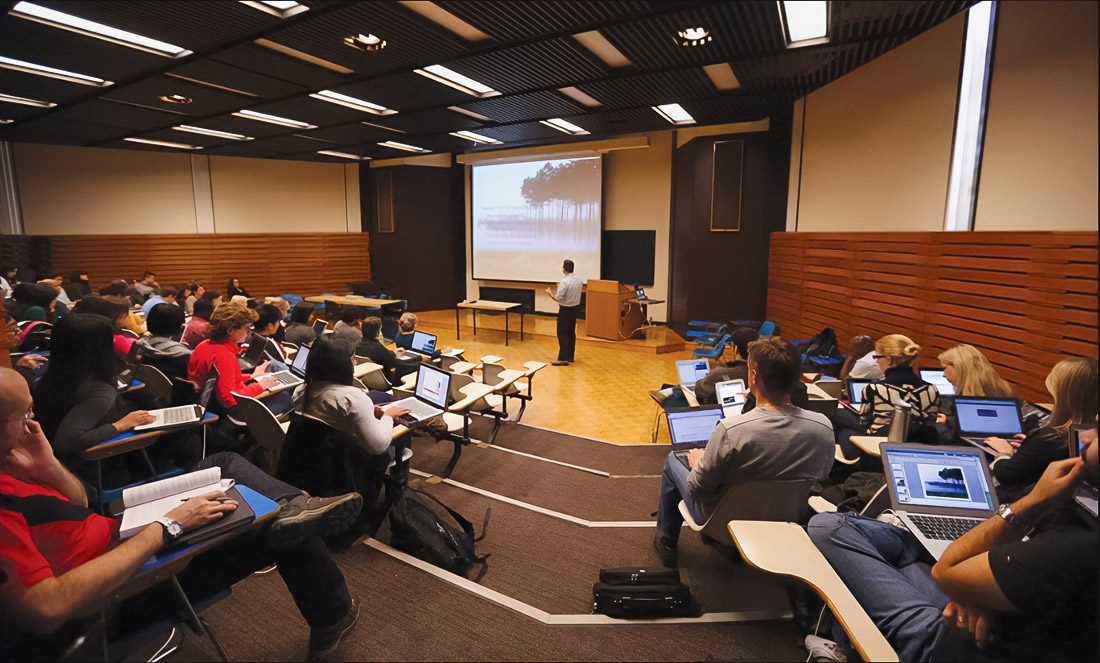
Continuous learning is not a separate course or a one-time professional development programme. It’s a process. Long, gradual, and sometimes even imperceptible. It includes formal education, informal learning, self-directed learning, experiential learning, and permanent knowledge acquisition.
Learning can happen in many ways. Sometimes through books and research. Sometimes through professional workshops or career training programmes in the UAE that help specialists expand their practical skills. At other times, learning takes place through mentoring, team discussions, collaborative projects, or shared experiences within the workplace.
The most important thing here is something else. Learning becomes a habit. It turns into a part of daily work. This is how a sustainable learning ecosystem is formed, and learning agility is developed.
Why the Labor Market is Changing Faster

There are several reasons. But the main ones are artificial intelligence, automation, new technologies, and large-scale workforce transformation.
Work tasks that required experience and knowledge yesterday can now be partially automated. New professions are emerging. The old roles are changing.
Research shows an alarming but important trend. More than half of the employees may require retraining by 2025.
And this is just the beginning.
Another indicator shows the scale of the changes. 40% of key employee skills will change by 2025.
It means a simple thing. A specialist who stops learning begins to lag.
Skills That Are Becoming Particularly Important
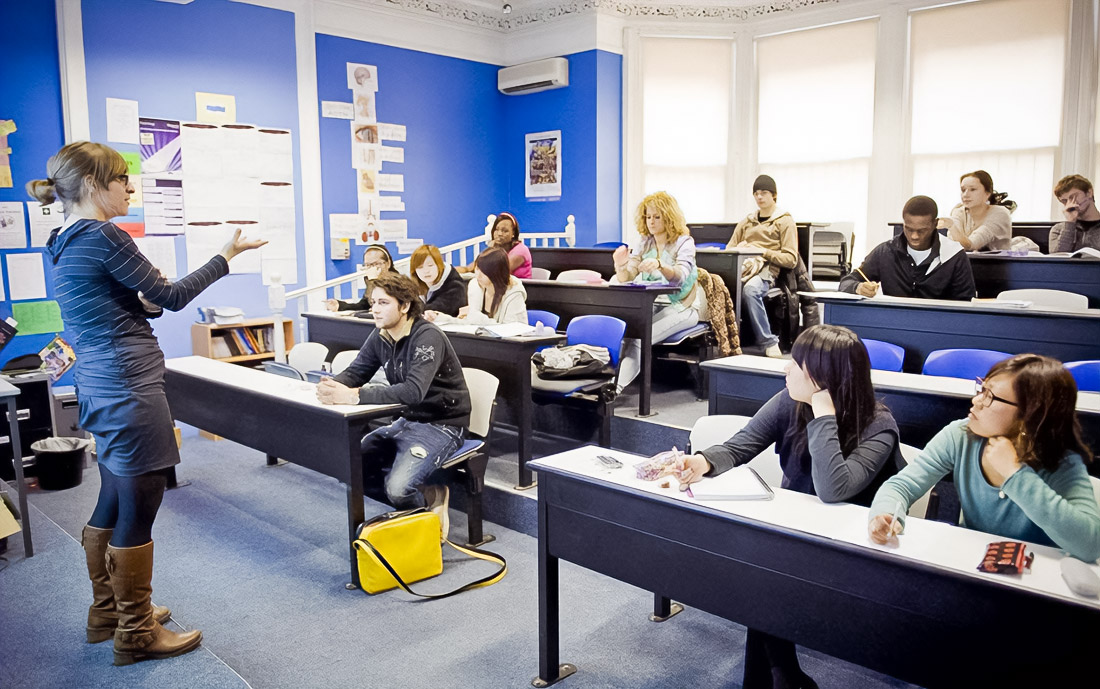
Interestingly, technology enhances the value of human skills. It’s not just knowledge that matters. They become much more important:
- Critical thinking
- Creativity
- Emotional intelligence
- Adaptability
- Problem-solving ability
- Communication skills
These skills form the basis of professional adaptability and enable the development of innovation capability within organisations.
In addition, constant learning has a positive effect on thinking. Research shows that it improves cognitive performance, enhances mental agility, and helps you make better decisions.
For professionals looking to strengthen these competencies, specialised development options such as career enhancement courses in Ajman can offer practical training designed to expand both technical and leadership capabilities.
How Does Continuous Learning Affect a Career?
Sometimes the effect is immediately noticeable. Sometimes it shows up years later. But the connection between continuous learning and career growth is obvious.
Specialists who actively develop their skills receive:
- More opportunities for career advancement
- Higher job security
- Access to new roles via internal mobility
- Professional networking extension
- Strengthening career resilience
It is no coincidence that 87% of employees consider skill development to be a key factor in long-term career success. At the same time, employers face another problem. 48% of companies consider a lack of skills to be one of the main threats to business. Therefore, specialists with a developed learning culture become especially valuable.
Why Do Organisations Need a Learning Culture?
Companies are also changing. And sometimes faster than the employees manage to adapt.
In such conditions, an organisational learning culture is being formed. It is based on several principles:
- Active knowledge sharing
- Regular feedback culture
- Talent development
- Permanent workplace learning
- Implementing learning in the flow of work
When learning becomes part of daily work, teams begin to adapt faster and make more flexible decisions.
The effect of this is measurable.
Organisations with a strong learning culture are 92% more likely to innovate and 52% more productive. This is no longer a theory. It’s a strategy.
The Psychological Benefits of Learning
Interestingly, lifelong learning affects more than just a career; it affects a person.
Continuous development enhances motivation at work, increases confidence, and promotes personal growth.
Research shows that:
- 69% of people believe that learning expands their life prospects
- 64% find new social connections through learning
- 58% feel a stronger connection with the community.
There is another important effect.
When employees stop developing, fatigue appears. Interest in work is decreasing. Sometimes a burnout occurs. Moreover, people experiencing burnout are four times more likely to think about leaving the company. Learning helps to regain a sense of moving forward.
How to Turn Learning Into a Habit
Many experts know that you need to learn. But they don’t know how to integrate it into their work life. The solution usually consists of several steps.
First, it is worth defining learning pathways and development goals.
Secondly, you should regularly practise skill acquisition and develop future-ready skills.
Third, use different learning formats:
- Mentorship
- Professional courses
- Discussions within the team
- Joint projects
- Regular knowledge sharing
Over time, these actions form a stable learning mindset and enhance professional agility.
The labour market is changing. And faster than ever before. New technologies, automation, and business changes require constant development from specialists.
Therefore, lifelong learning is becoming more than just a useful habit. This is the foundation of career progression, sustainable career resilience, and long-term professional development. Those who continue to study remain in demand. Those who stop gradually lose their positions.
And that’s why today the most important skill is the ability to constantly learn.